

Overview of Marketing Copywriting
In the course “Learning to Write Marketing Copy”, Ian Lurie (Lurie, 2014) explains how to write effective marketing copy. Good marketing copy must grab the reader’s attention and be valuable to the people who want the product. Most importantly, it must have a strong call to action.
All copywriting is categorized by the collateral, medium and style that the writer uses. Some common forms of collateral include:
- Brochures
- Direct marketing
- Posters
- Scripts
- One liner
- Product descriptions
Medium describes the way an individual receives the information. Lurie (2014) believes that medium does not “impact the collateral and style of copywriting” (Lurie, 2014). Style is the manner that the call to action is presented. Some styles include teaching, straight shots, comedy, scare tactics, and hard sells. Lurie (2014) states that style does not depend on collateral or medium. When preparing to write copy, Lurie (2014) recommends that writers get rid of all potential distractions. This will create an environment where a writer can stay focused for long blocks of time.

Writing Copy
Lurie (2014) suggests that writers use tools such as a timer, writing technology, writing software and online backups. When planning for copywriting, Lurie (2014) finds it best to keep a brief and simple plan. This means taking 30 minutes to think about and write notes on audience, collateral and style. Free writing is a concept that Lurie (2014) finds helpful when it comes to writing copy. This is where you write down thoughts in a free-flowing manner- not stopping to worry about grammar and formatting (Lurie, 2014). This method can get the creative juices flowing, preparing a writer for their first draft.
When a writing a first draft, it is important to set a timer for 45-90 minutes and write non-stop until it goes off. It may also be useful to write from a point in the middle instead of beginning with the introduction. During this stage, it is important to keep a similar mindset to free writing, but with an awareness of structure and goal of the copy. A writer should also put quality over quantity, use a clear emotional tone, and be direct to the point.

After writing the first draft, the one must edit the copy must to create the final product. This should be done by editing first, then proofreading after. It is also a good idea to have a peer repeat this process to use a fresh set of eyes. Lurie (2014) recommends using an active voice and keeping the language clear and concise.
Lurie (2014) states that the copy should lead the headline, avoid scare tactics, and be clear and descriptive. There are many ways to test headlines to see which ones will perform the best. Lurie (2014) mentions direct mail split testing, google surveys, advertisements, emails, and landing pages. When writing a summary in the beginning of the copy, it is important to sell the page to the reader. This is done through the use of entertaining language, a table of contents, and telling the reader to keep reading.

Lurie (2014) points out that copy in print is often seen in a larger context, with graphics and other writing positioned around it. Writers should keep in mind that print copy should be well thought out, as it cannot be changed once it is published. The layout of the copy should do the following:
- Be easy on the eyes
- Use 5-6 lines per paragraph
- Have 15-20 words on each line
- Leave 1.6 times the amount of space between paragraphs than lines
Online copy has some pros and cons- some of the weaknesses include a lack of context, lack of attention, as well as having different devices that readers could be viewing the copy on. The advantages are that it is easy to edit, test, and have many ways in which readers can come across the copy. It is very important that online copy be easy to skim through. It should follow the same basic rules as print layout but be broken up every 3-4 paragraphs using a subhead, image or a bullet point list. Lurie (2014) recommends following the golden ratio to have optimal typography.
Rewriting Existing Copy
When rewriting copy, Lurie (2014) suggests that it is best to improve the copy by editing it instead of rewriting it completely. An editor should remove unnecessary words, use active voice, clarify the call to action, and proofread thoroughly. In social media, Lurie (2014) believes that it is best to keep casual and sincere tone, not offensive. It is also better to include images and keep messages brief.

Conclusion
Lurie (2014) explains the 70/20/10 guideline, where 70% of copy should be basic pieces, 20% is riskier copies, and 10% is something inventive and new. Lurie also recommends keeping a flexible 3-month editorial calendar, including the following information:
- Date
- Title
- Target audience
- Writer
- Reviewer
- 70/20/10 category
- Client opinion
- Status of completion
Lurie (2014) explains that it is important to have an identified brand voice. This includes a brand lexicon of approved alternatives for certain words as well as personas of the target audience. Some next steps that Lurie (2014) recommends is to write longer form copy if you are an artistic type and learning HTML if you are a geek type.
My Conclusion
Ian Lurie’s course provided information that can aid in improving any writer’s work. One concept that stood out is improving the readability of the copy. This means formatting the copy, so it is easy for the reader to pick up on key elements with a quick scan. For example, take a look at this UCLA newsletter. They inserted pictures, blocks of colour, headings and lists. This really breaks up the page to make it easier to navigate.

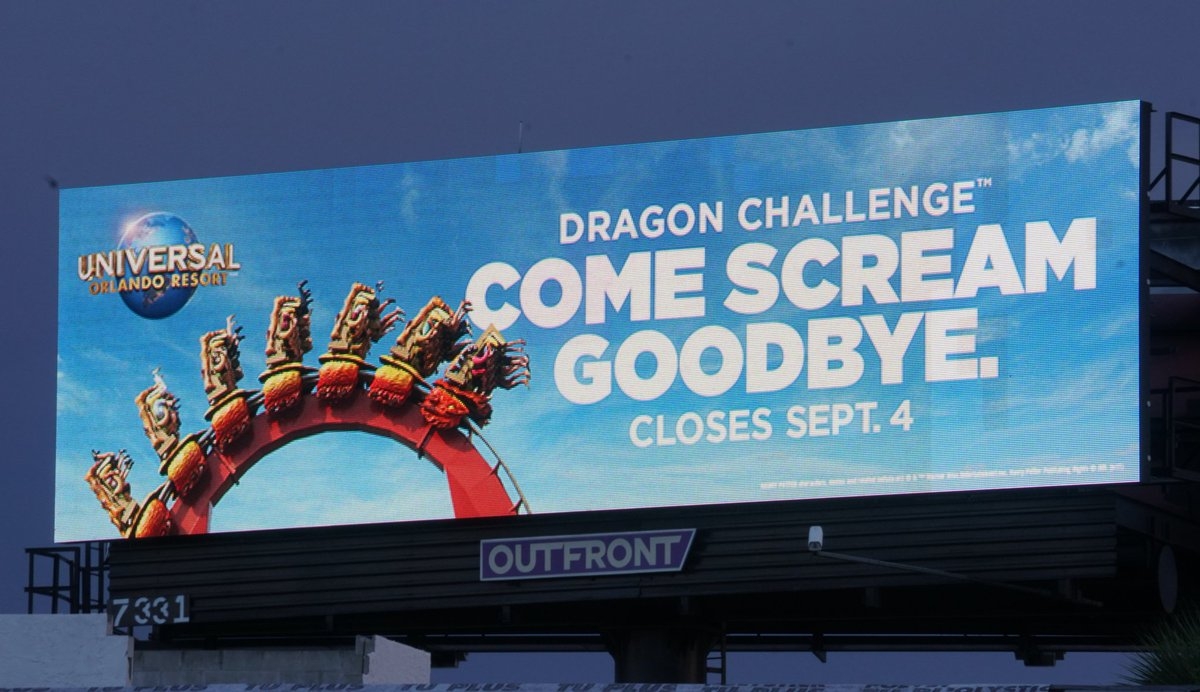
The idea of a clear and direct call to action also felt very important as it is the basis of why you are writing the copy. For example, take this billboard for Universal Orlando Resort. The call to action “Come scream goodbye” gives viewers a clear, direct action to ride the Dragon Challenge roller coaster because it is closing soon.
Works Cited
Lurie, I. (2014, May 30). Types of Marketing Copywriting. Retrieved from LinkedIn Learning: https://www.linkedin.com/learning/learning-to-write-marketing-copy/types-of-marketing-copywriting?u=2109516
 Citizen Media