


Social Media KPIs and Tools for Measurement
The course “Social Media Marketing: ROI” by Carlos Gil (Gil, 2019), focuses on driving sales through social media. All decisions regarding social media should tie into business objectives. Strategy is an essential part of converting clicks into ROI (Gil, 2019). First, you must decide what social media platforms your business should use. LinkedIn is a good option for B2B brands, while Instagram and Twitter are good for B2C brands. Make sure to take a look at competitor activity on social media. The following is an article (Digital Marketing Institute, n.d.) that goes into more detail about choosing social media platforms business.
Gil (2019) says that there are four core pillars of social media strategy. Make sure that each pillar has its own strategy. These pillars are:
- Content: What the viewer sees. Includes images, videos, music and text posts.
- Community: Users who engage with the content regularly.
- Consistency: How often posts are made.
- Conversion: Engagement with the brand (click, comment or share).

KPIs (Key performance indicators) are the metrics that a business measures (Gil, 2019). These are important if you want to see how your business is benefiting from social media. There are many KPIs that you should be aware of.
- Impressions: Number of times a post appears in a feed. This does not necessarily mean that the content was seen.
- Engagements: Number of times viewers interacted with a post. More valuable than impressions.
- Views: Number of times a viewer saw your video content.
- Clicks: Number of times viewers visit your website from a social media post.
To measure ROI, certain tools are required. The tools you choose will depend upon your needs and the size of the business (Gil, 2019). There are tools that cater to smaller brands that track posts for metrics. These include Buffer, Hootsuite, Sprout Social and Agorapulse. Analyzing each post is critical to make data informed decisions (Gil, 2019). Make sure to keep track of insights.

Many social media platforms have native advertising platforms that utilize user data. This means that these platforms will give you a lot of the same data that other tools do. Examples include Facebook, Twitter, LinkedIn, YouTube and Instagram. The big take away is to learn what type of content does well. If your content isn’t performing how you would want it to, use the data to make informed decisions (Gil, 2019).
Decoding Social Media Analytics: What Does It Mean?
A social media account is an extension of the company website (Gil, 2019). Social media may be free to use, but developing an effective page means strategy and budget. The Facebook insights tool can help greatly with strategy. It shows data regarding impressions, reach and engagement. Facebook is good at directing content towards your targeted group. These is based on demographic and interest data that Facebook collects. The Ads manager gives step by step instructions to create ads and choose a target audience. Facebook is very flexible and will work with almost any budget you give them. Try to set aside $10 a day or $300 a month for these ads (Gil, 2019).

Monitoring post performance is critical, as they will only be relevant for less than 24 hours (Gil, 2019). Take a look at the insights for all of your posts. From here you can take a look at which posts performed the best. You can re-engage previous top posts and bring them back into the newsfeeds. Do this by commenting on them or giving it a like. Facebook offers ecommerce options through Shopify. Facebook will help run the back end of your store and makes it easy to add new product. There is built in functionality to create posts about your product seamlessly.
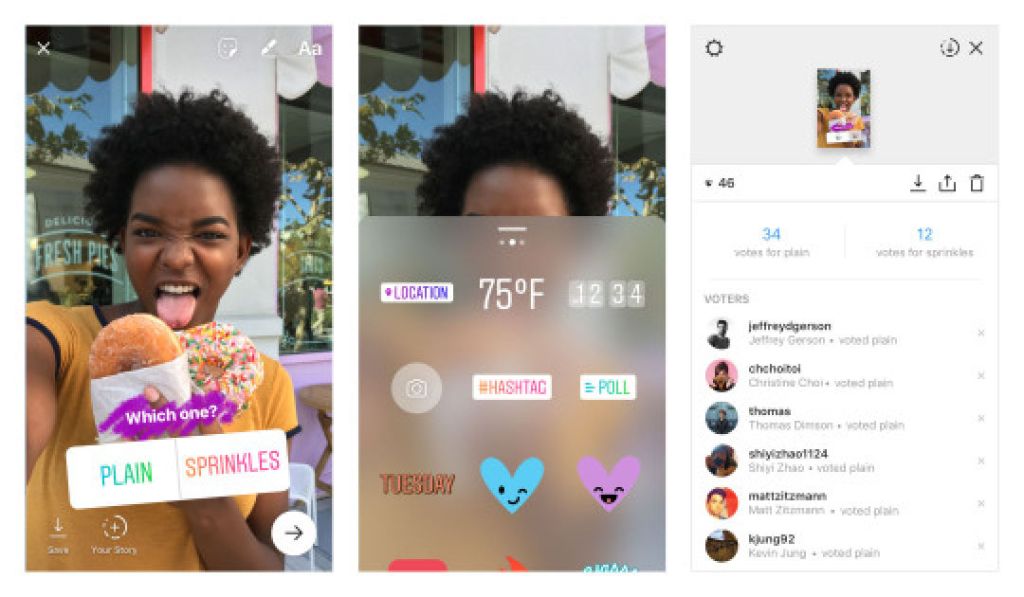
Instagram ROI may seem to be measured by followers and likes, but they do not mean much (Gil, 2019). Comments, bookmarks and shares can help to paint a full picture. In fact, likes should be removed from the ROI of your Instagram all together. This is because bots can like your posts. Shares and bookmarks mean much more than a like. Instagram polls can be utilized to generate sales leads as well.
Driving Measurable ROI on Each Channel
LinkedIn can assist in finding new lead sources and clients. Unfortunately, LinkedIn doesn’t have a lot of analytics. But you should be taking looks at the number of people who viewed your profile and search appearances. LinkedIn searches are largely based on keywords. Make sure you include ones that are relevant to your industry. Personally, I have added many keywords throughout my LinkedIn profile. I put keywords such as “social media” and “marketing” in my headline and summary.
LinkedIn is unique because you can see who views your profile. Take a look at these users and engage with them. There is likely a reason that they viewed your profile, so ask them why. Do not try to sell them anything on the first contact.

YouTube is an interesting platform because you can make money by posting content. This is based on your number of views. Make sure to keep an eye on your analytics to see which videos are performing the best. When creating YouTube content, make sure to have a purpose. You can also optimize titles and descriptions for SEO. Small businesses can really tap into the YouTube market and use it as promotion.
To make more money from videos, Gil (2019) recommends the following:
- Requires 1000+ subscribers to monetize
- Create 12-15 anchor videos
- Titles with keywords
- Retitle existing videos

Twitter is a real-time search engine and any word from a tweet is searchable (Gil, 2019). You must post consistently on Twitter as things happen in real time. To get more engagement, you can:
- Post questions to get comments
- Give value
- Post links in replies and comments
- Circle back to super fans
Bonus Strategies for Maximizing ROI
Twitter Cards can be used to drive website clicks without putting the link in the text of the tweet. You will need an image that stands out, a call to action, and the link title. YouTube offers imbedded website links in the form of cards. This is where you can insert link to your other videos. These will pop up throughout the duration of the video.
Instagram stories can be used to make your brand feel more genuine and relatable. They should be kept short and have a call to action. Make sure to create appealing visuals, post often and tag locations. Hashtags are important on Instagram, as they are searchable keywords. Try making them related to your industry and location. Instagram is all about images, so they should be aesthetically pleasing. Captions to posts should be kept short. Try to think like a customer and consider what you would like to engage with.
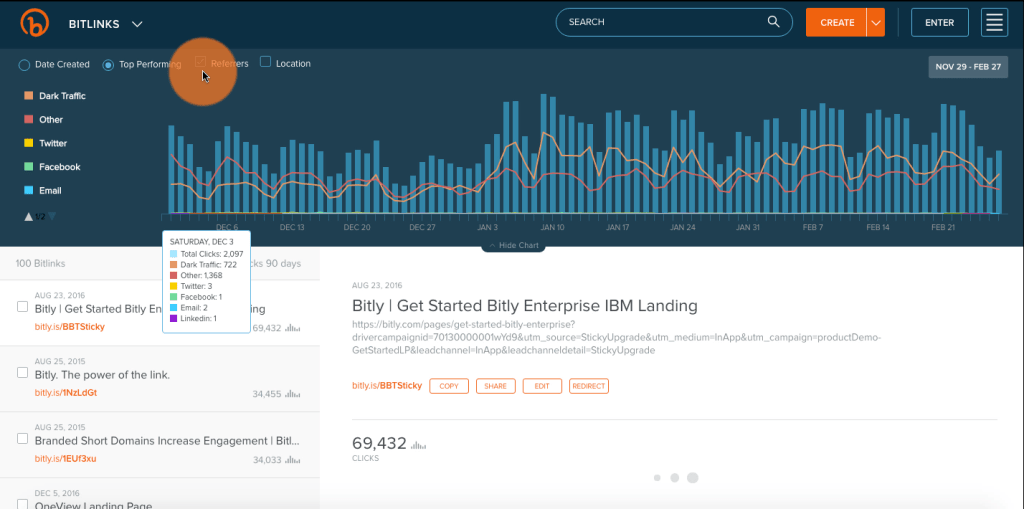
In order to be successful with social media, you must keep track of the impact of your posts (Gil, 2019). Bitly and Google Campaign Builder can provide you with analytics regarding your website clicks. Keep an eye on the posts that are doing the best and repost them to extend their lifecycle (Gil, 2019).
Conclusion
This course taught me ways in which businesses can improve their use of social media to get more conversions. I decided to take a look at some social media accounts from companies that have a presence. One business that caught my eye was Urban Outfitters. They use very visually appealing and colorful images on their Instagram page. Their photos are also very high quality and appeal to the tastes of their target audience of young women. They also take advantage of Instagram’s shop feature. Here they can insert links to the specific products that they post about. Their Instagram story also does a good job of engaging with the audience by asking an open-ended question. They keep it short and have a clear call to action. There is also a link to their website included. This particular story is relevant to current events regarding COVID-19 and is relatable to the viewer. It also asks to tag them in a post, further driving clicks to their page


Bibliography
Agorapulse. (n.d.). Agorapulse. Retrieved from Agorapulse: https://www.agorapulse.com
Buffer. (n.d.). Buffer. Retrieved from Buffer: https://buffer.com
Digital Marketing Institute. (n.d.). Which Social Media Platforms Should You Use For Your Business. Retrieved from Digital Marketing Institute: https://digitalmarketinginstitute.com/en-ca/blog/which-social-media-platforms-should-you-use-for-your-business
Gil, C. (2019, October 9). Social Media Marketing: ROI. Retrieved from LinkedIn Learning: https://www.linkedin.com/learning/social-media-marketing-roi-2
Hootsuite. (n.d.). Hootsuite. Retrieved from Hootsuite: https://hootsuite.com
Sprout Social. (n.d.). Sprout Social. Retrieved from Sprout Social: https://sproutsocial.com
 Citizen Media